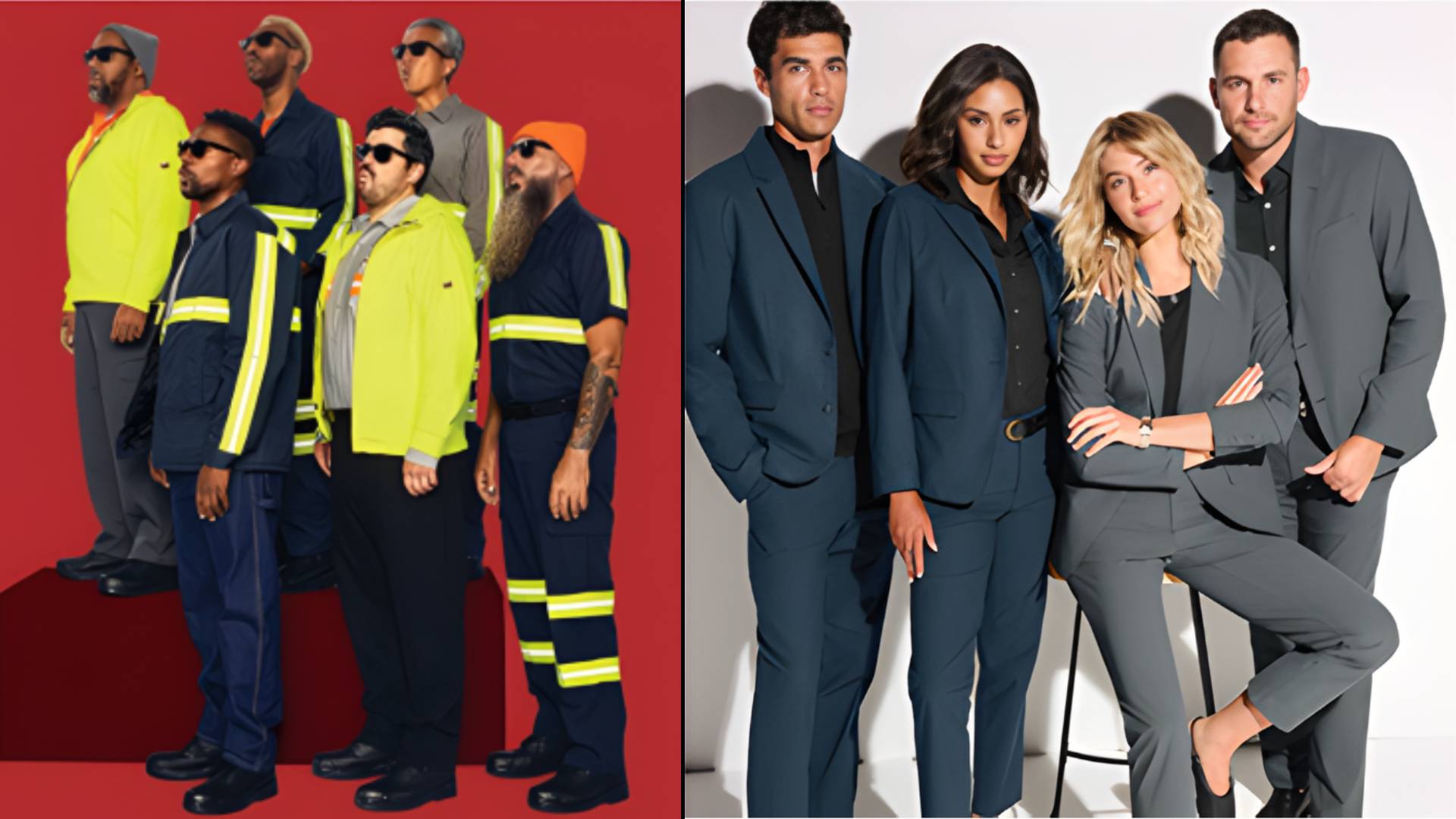
For many organizations, the workday no longer happens in a single environment. Employees move between offices, warehouses, garages, loading docks, hospitals, job sites, and vehicles—often within the same shift. As the nature of work has evolved, so has the way companies think about uniforms.
Instead of asking, “What color shirt should everyone wear?” more leaders are asking a better question:
“How do we outfit teams for the work they actually do?”
That shift is reshaping managed uniform programs across industries, moving companies away from one-off garment decisions and toward intentional, role-driven solutions.
 From Single Garments to Workwear Systems
One clear trend is the move away from one-style-fits-all uniforms toward coordinated workwear systems designed around employee roles, work conditions, and how people actually move through their day.
“The biggest change is that companies aren’t buying uniforms in isolation anymore,” explains Ken Yanicky, a uniform program expert at Feury Image Group. “They’re building programs that support different job functions while still looking unified.”
Building a workwear program means pairing garments intentionally—not to showcase variety, but to support performance needs. That often starts with performance fabrics, including moisture-wicking and stretch materials that support movement, comfort, and durability. Performance polos designed for active work, lightweight ¼-zips for layering and transitions, and fabrics selected for long wear across changing conditions all play a role.
 Why Comfort Has Become a Business Requirement
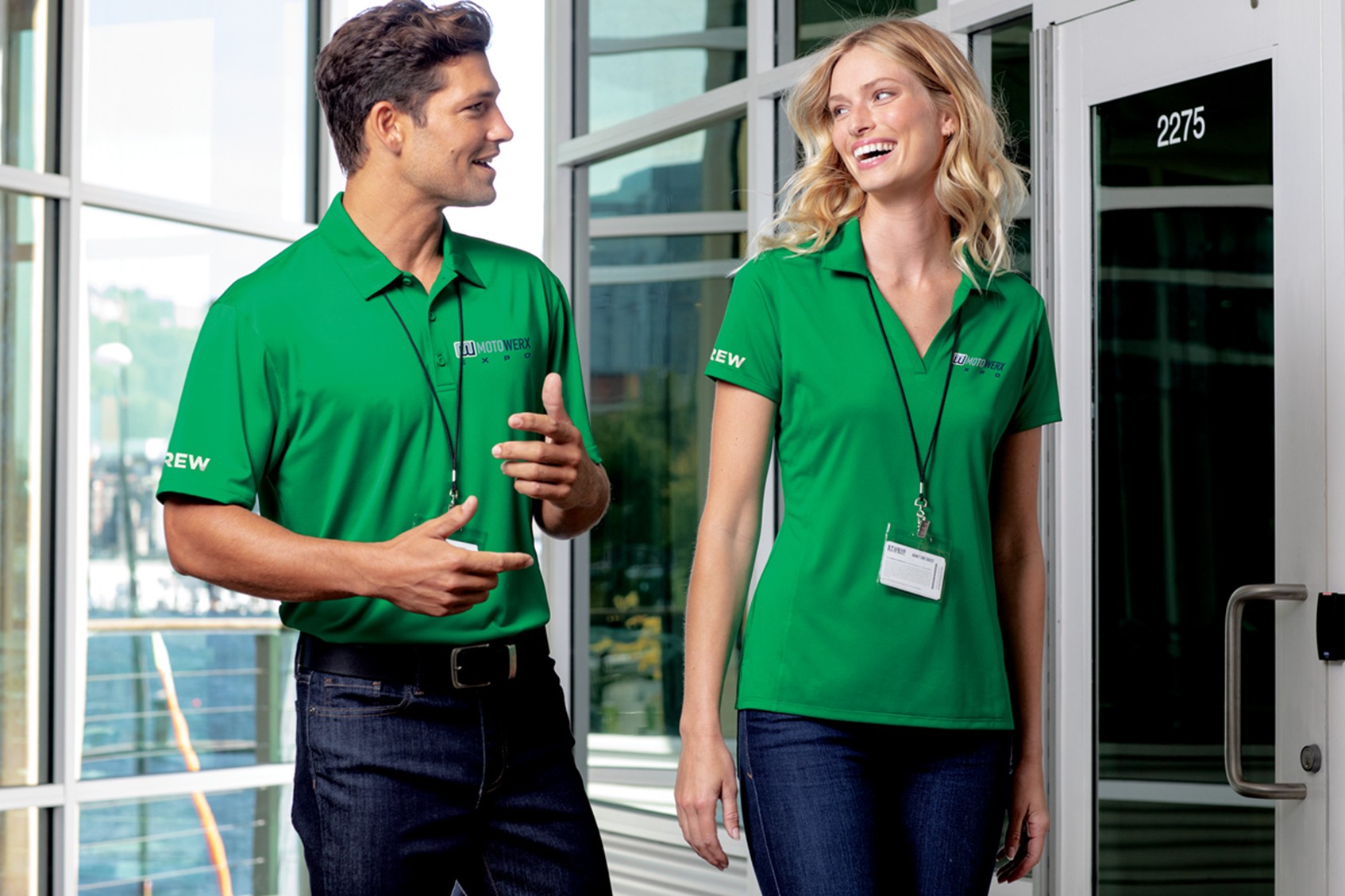
Comfort is no longer a perk—it’s a baseline expectation.
Stretch fabrics allow employees to bend, lift, and reach without restriction. Moisture-wicking materials help regulate body temperature during long shifts. Lightweight construction reduces fatigue. And details like tagless neck labels or contoured seams eliminate distractions employees feel but don’t always articulate.
“If apparel restricts movement or causes irritation, employees avoid wearing it whenever they can,” Ken says. “And once that happens, the uniform stops doing its job.”
Companies that invest in comfort often see better adoption, longer garment life, and fewer complaints—outcomes that matter to HR, operations, and procurement teams alike.
Garments That Work Across the Day
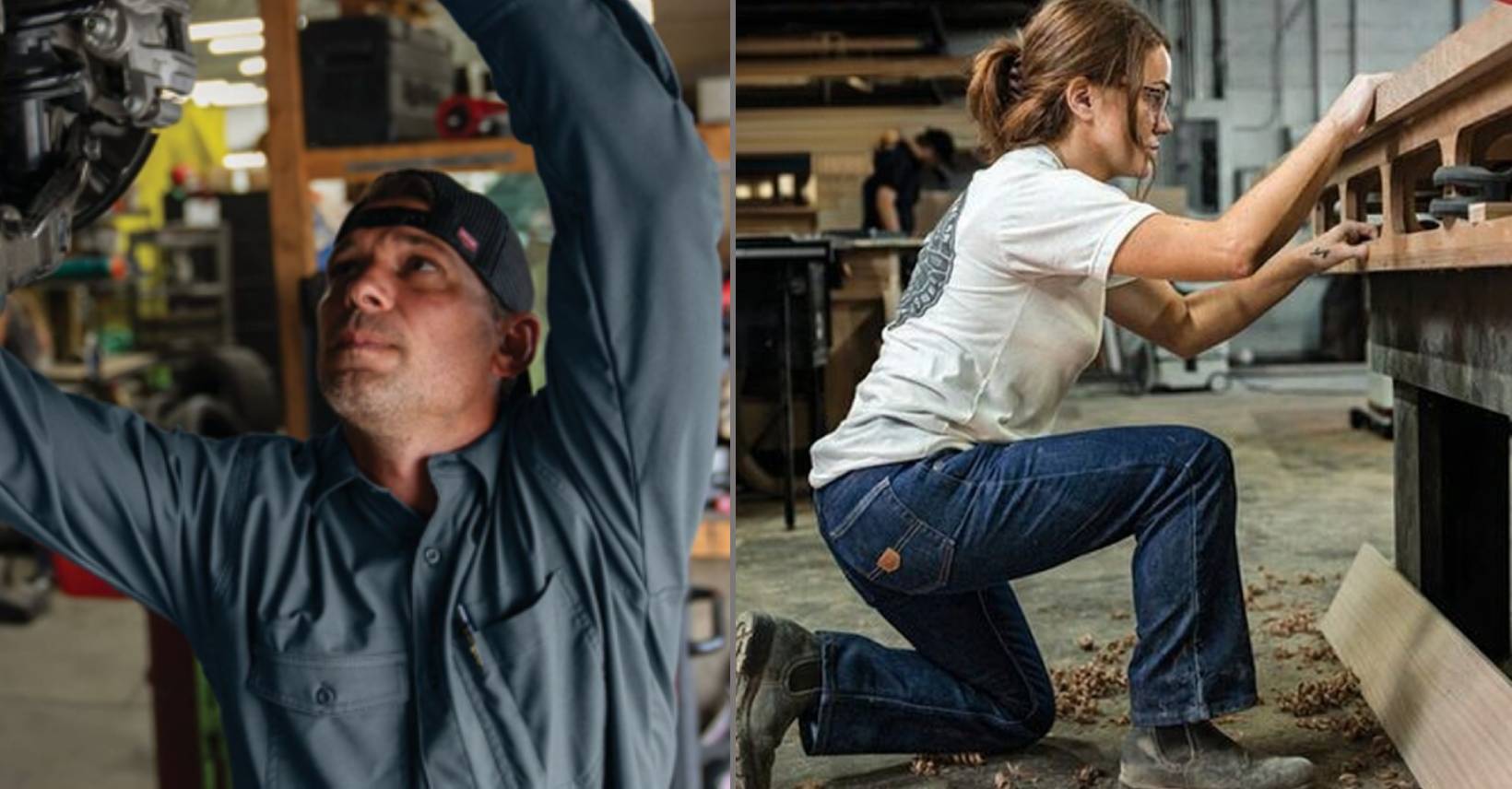
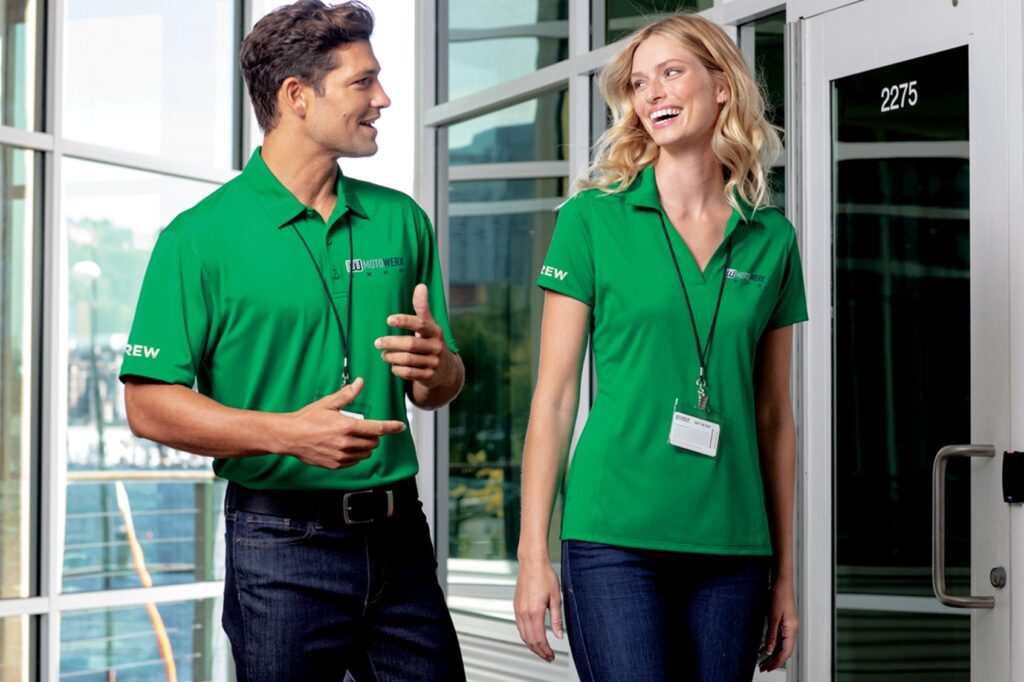
A common example is the modern performance stretch ¼-zip pullover. Designed with stretch knit fabric, moisture-wicking performance, and UPF 50 sun protection, it functions as both an active work layer and a polished, customer-ready piece.
Features like contoured shoulders improve mobility, while discreet sleeve utility pockets support hands-on tasks many employees appreciate.
“We’re seeing increased demand for garments that transition,” says Ken. “Employees want one garment that works wherever the workday takes them.”
This kind of versatility allows companies to maintain brand consistency while still meeting real-world functional needs.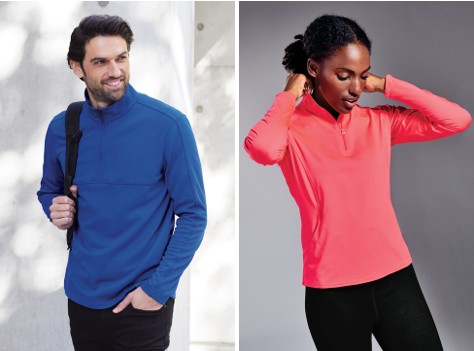
Role-Based Outfitting: One Program, Multiple Roles
Another major shift is r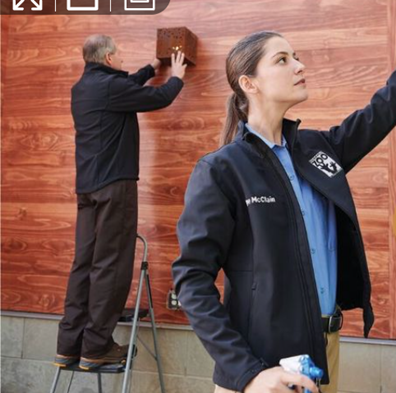 ole-based outfitting within a single uniform program.
Rather than issuing the same garment to everyone, companies are creating structured options such as:
-
Cooling stretch polos for drivers, warehouse teams, or shop-floor staff
-
Lightweight ¼-zips for managers, field supervisors, or customer-facing roles
When colors, logos, and fit standards are aligned, teams still look cohesive—without forcing everyone into the same garment.
“Uniformity isn’t about everyone wearing the same thing,” Ken explains. “It’s about everyone looking like they belong on the same team.”
This approach supports brand consistency while giving employees apparel that fits their role—and it simplifies onboarding, seasonal ordering, and replacements over time.
The Power of Small Design Deta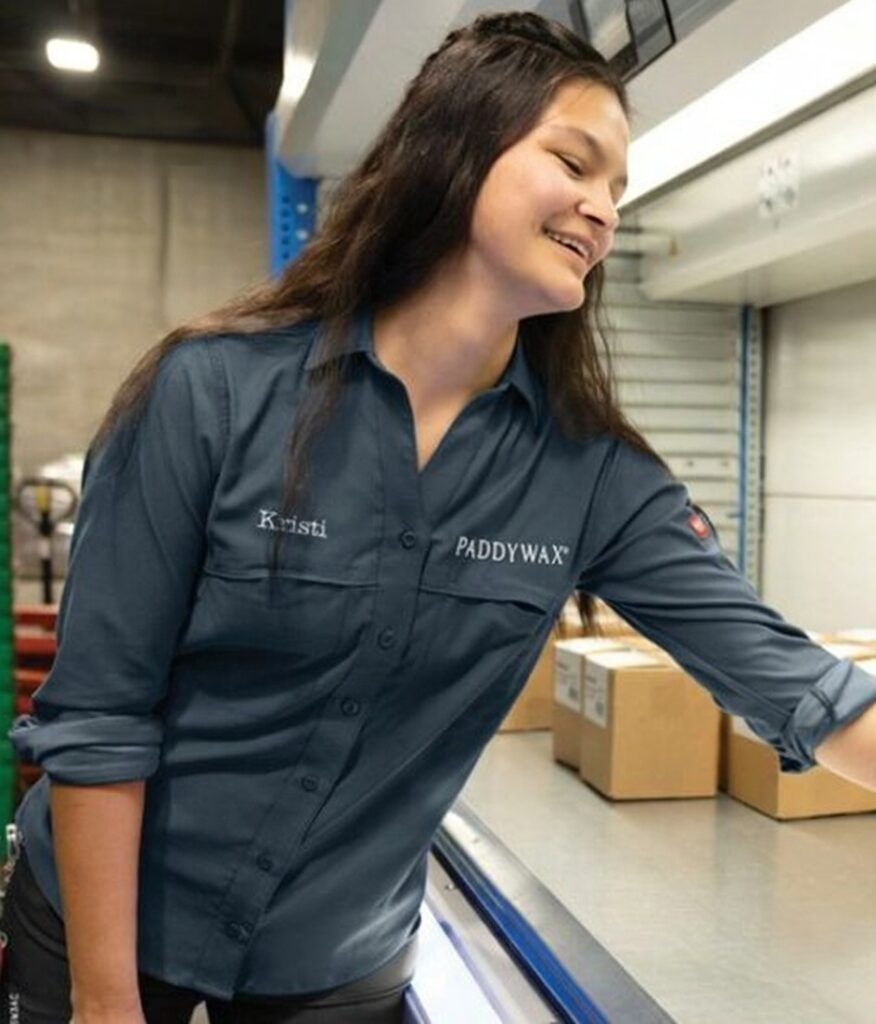 ils
ils
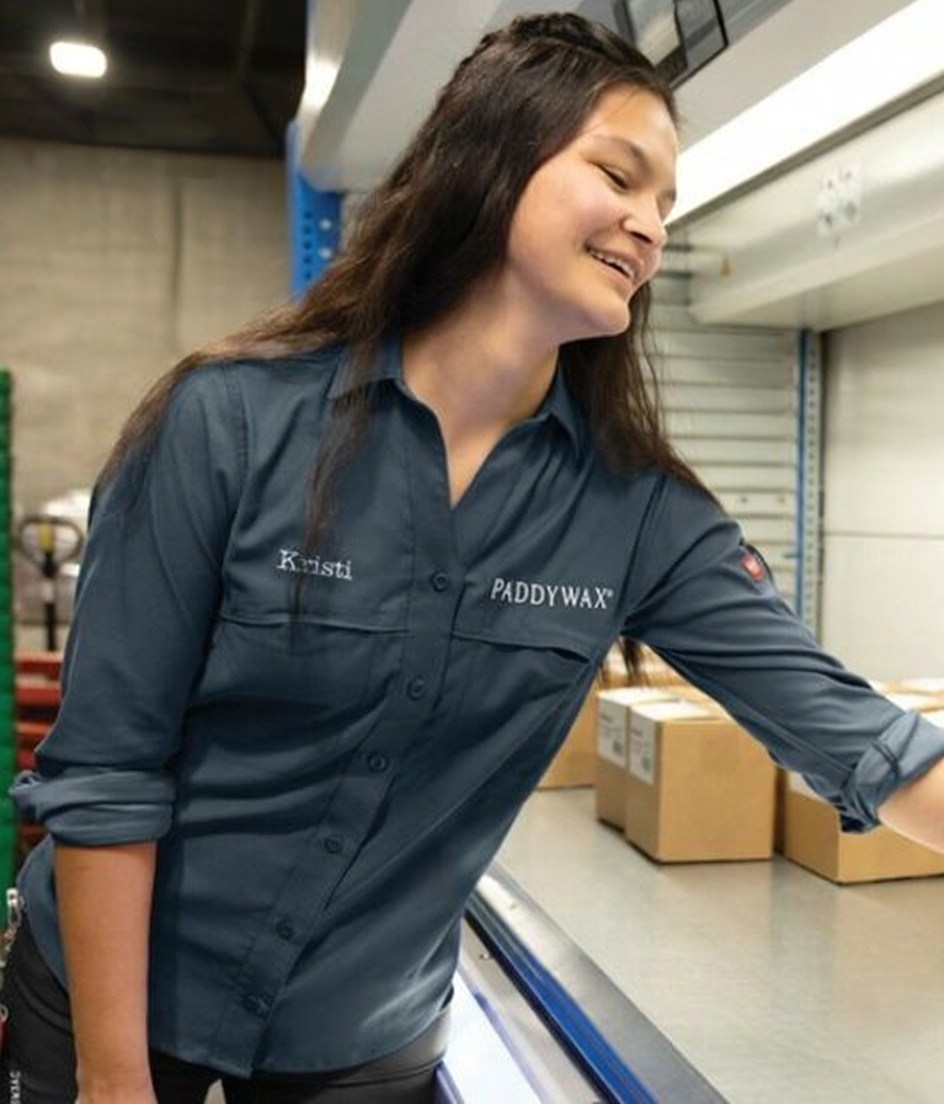
Ask employees what they value most in their workwear, and the answers are often specific: sleeve pockets for small tools; zippers instead of buttons for easy layering; fabric that holds its shape after repeated washing; and cooling technology that doesn’t fade over time.
“Those details show that someone actually thought about how people work,” says Ken. “That builds trust in the program.”
Over time, these design choices make uniforms easier to wear and easier to manage.
Why Pants Matter More Than Most People Think
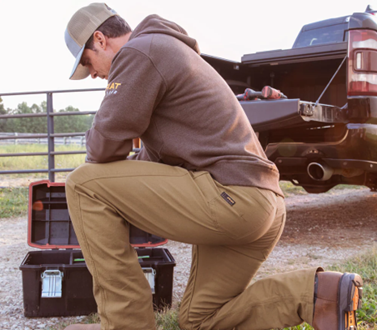 Pants often do more work than any other garment in a uniform program, yet they’re rarely given the same attention as tops.
Fit, fabric weight, stretch, and pocket placement directly affect comfort throughout the day, job performance, and how well garments hold up over time. In more demanding environments, features such as reinforced stress points, high-visibility options, or protective fabrics help meet common workplace standards without sacrificing wearability.
“Pants have to balance comfort, performance, and durability all at once,” Ken explains. “Miss one of those, and the garment fails—either it doesn’t get worn, it limits the work, or it wears out too fast.”
When selected with intention, pants become a dependable foundation of the uniform program.
 Why Managed Uniform Program Design Matters More Than Products
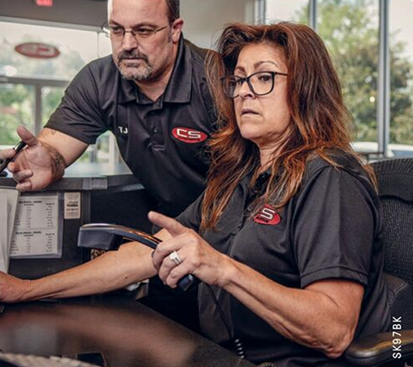
Quality garments matter—but without thoughtful managed uniform program design, even the best apparel can fall short. Well-designed programs account for:
-
Role-based outfitting
-
Seasonal changes
-
Brand consistency
-
Ease of ordering and replenishment
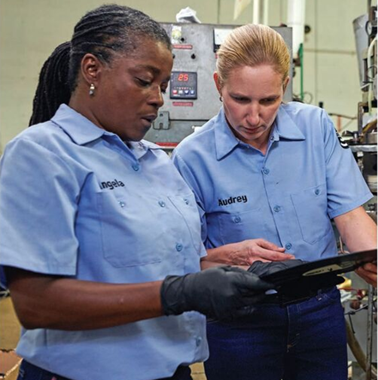
“The strongest programs are the ones employees don’t have to think about,” Ken says. “When programs are designed around how people actually work, uniforms become a tool—not a task.”
 Simplifying Logistics, Ordering, and Procurement
For HR and operations teams, the success of managed uniform programs often comes down to logistics.
Role-based outfitting, standardized garment options, and consistent branding simplify ordering, onboarding, and replenishment. When programs are structured properly, procurement teams spend less time managing exceptions, employees receive the right apparel faster, and organizations gain better visibility into costs and usage.
This operational efficiency is one of the most overlooked benefits of a well-designed uniform program.
Preparing for the Season Ahead
As companies approach their next seasonal ordering cycle, now is the right time to reassess what’s working.
Are employees comfortable throughout the day?
Do garments transition well between environments?
Does the program support different roles without confusion or inconsistency?
The most effective managed uniform programs don’t chase trends. They’re built around people, performance, and real-world conditions—exactly what today’s teams need to succeed
.View other news from, about, and by Feury Image Group.
Have a Question or Project in Mind?
Feury Image Group helps organizations with managed uniform programs, branded apparel, print, signage, and promotional programs across multiple locations.
Let’s connect and start a conversation.