
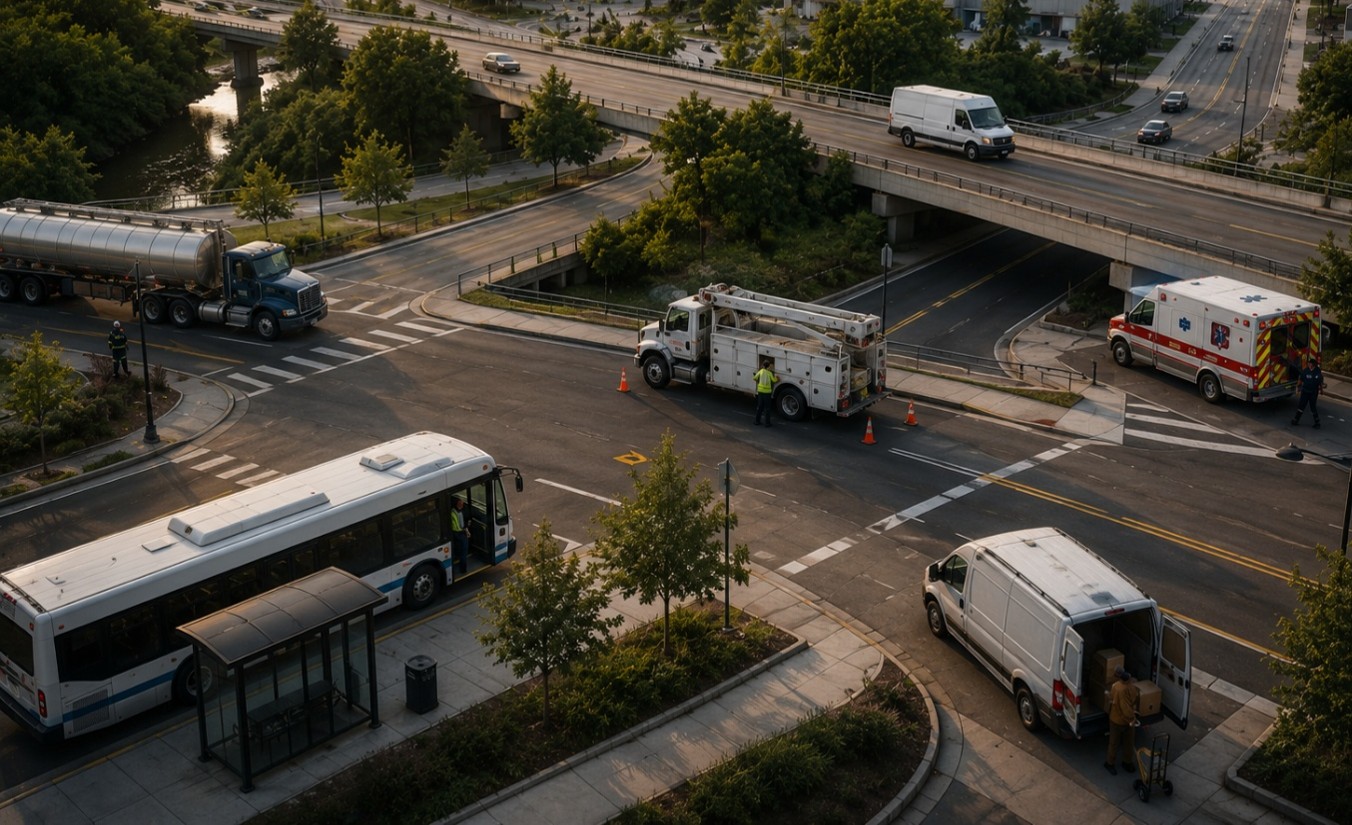
How Transportation, Delivery, Utility, and Mobile Workforces Benefit from Purpose-Built Apparel Programs
For employees who spend most of their workday behind the wheel, on the road, or moving between locations, transportation uniform programs serve a different purpose than they do in a traditional workplace.
Drivers, delivery personnel, EMS teams, field technicians, utility crews, transportation operators, and mobile service professionals represent their organizations wherever they go. They interact directly with customers, work in changing environments, face weather challenges, and often encounter safety risks that require specialized apparel.
Yet many organizations continue to manage mobile workforce apparel programs as simple clothing purchases rather than operational systems.
The consequences extend beyond appearance and administration. According to a recent industry study, approximately 75% of companies report difficulty following PPE protocols at least some of the time, highlighting a common challenge across safety-focused organizations: selecting the right garments is only part of the equation. Consistent adoption often depends on having the right transportation uniform programs, processes, and apparel choices in place.
The result can be inconsistent appearance, safety concerns, inventory challenges, and administrative headaches.
A well-designed transportation uniform program helps mobile employees remain visible, safe, comfortable, and consistently branded—whether they are making deliveries, responding to emergencies, transporting passengers, or servicing critical infrastructure.
Why Mobile Workforces Have Different Apparel Requirements
Employees who work on the move face challenges that office-based or facility-based workers often do not. Their apparel must perform across:
- Multiple weather conditions
- Day and night visibility requirements
- Vehicle entry and exit throughout the day
- Customer-facing interactions
- Physical labor and movement
- Regulatory and safety requirements
- Wide geographic service areas
A delivery driver may encounter rain, heat, cold temperatures, loading docks, warehouses, and customer locations all in the same shift.
An EMS professional may move from an ambulance to an emergency scene to a healthcare facility within minutes.
A utility technician may begin the day in an office and finish it working roadside after dark.
Each role requires apparel designed around the realities of the job.
Visibility Is a Safety Requirement for Transportation Uniform Programs
For many mobile workers, being seen is not simply a branding consideration—it is a safety issue.
High-visibility garments are required in order to reduce risk and improve awareness for employees working:
- Along roadways
- In parking lots
- At transportation hubs
- Around moving vehicles
- In loading and receiving areas
- During nighttime operations
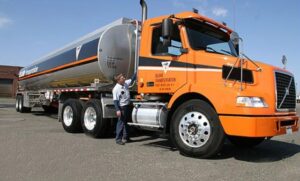
Fuel transport operations often require apparel programs that support safety, visibility, professional appearance, and the unique demands of mobile workforces.
Depending on the role, apparel may include:
- ANSI-compliant safety vests
- High-visibility polos
- Reflective jackets
- Weather-resistant outerwear
- Hi-vis rain gear
- Reflective striping integrated into uniforms
Organizations that manage large mobile workforces often benefit from standardized visibility requirements that ensure employees receive the appropriate garments regardless of location.
FR Apparel for Transportation and Energy Operations
Not all transportation employees face the same hazards.
Certain drivers may require flame-resistant (FR) apparel as part of their safety programs, such as those involved in:
- Fuel transportation
- Oil and gas operations
- Petroleum distribution
- Chemical transport
- Utility services
- Energy infrastructure support
In these environments, apparel selection extends far beyond appearance. Organizations must consider:
- Hazard assessments
- Regulatory requirements
- Garment performance standards
- Seasonal apparel needs
- Replacement cycles
- Employee comfort and wearability
FR apparel programs often include:
- FR shirts and work pants
- FR outerwear
- FR base layers
- High-visibility FR garments
- Arc-rated apparel where required
Because employees spend long hours driving, comfort becomes especially important. Garments that are too heavy, restrictive, or poorly fitted often result in lower compliance and reduced employee satisfaction.
Weather Matters More Than Most Organizations Realize
Drivers and mobile workers experience weather differently than many other employees. A workforce operating across multiple locations within a single region may encounter:
- Summer heat
- Winter cold and snow
- Rain
- Wind
- High humidity
- Seasonal temperature swings
As a result, transportation uniform programs often benefit from a layered approach that allows employees to adapt throughout the year. Examples include:
- Moisture-wicking performance polos
- Lightweight work shirts
- Mid-layer fleece options
- Soft-shell jackets
- Waterproof outerwear
- Winter coats and insulated garments
The goal is not simply comfort. Comfortable employees are more likely to wear approved garments consistently and present a professional appearance.
The Customer Experience Happens at the Vehicle Door
For mobile employees, every stop becomes a brand interaction.
Whether a driver is delivering products, servicing equipment, transporting passengers, or responding to a call, customers often form opinions about an organization within seconds.
A consistent appearance helps reinforce:
- Professionalism
- Credibility
- Trust
- Organizational pride
- Brand recognition
When apparel varies significantly between locations, departments, or employees, organizations can unintentionally create confusion about who represents the company.
Uniform consistency becomes especially important for organizations with large geographic footprints and multiple operating locations.
Managing Transportation Uniform Programs Across Distributed Teams
Mobile workforces often create logistical challenges that traditional transportation uniform programs struggle to address. Common issues include:
- Multiple locations ordering independently
- Inconsistent garment selections
- Limited inventory visibility
- Difficulty onboarding new hires
- Lack of spend controls
- Complicated replacement processes
As organizations grow, these challenges typically become more pronounced.
A managed apparel program can help standardize:
- Approved garment selections
- Role-based catalogs
- Budget controls
- Ordering permissions
- Distribution processes
- Reporting and tracking
This creates a more consistent experience for both employees and administrators.
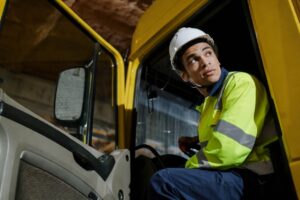
Transportation professionals often rely on high-visibility apparel to improve visibility, support safety initiatives, and maintain a professional appearance while working around vehicles, roadways, and active job sites.
The Importance of Fit and Function
Mobile workers spend significant portions of their day seated, entering and exiting vehicles, lifting materials, and interacting with customers.
OSHA notes that personal protective equipment should fit comfortably because proper fit encourages worker use. The same principle applies to workforce apparel programs. Employees are more likely to consistently wear approved high-visibility, FR, and branded garments when those garments fit properly and support the realities of the job.
In short, fit matters.
As a result, organizations increasingly recognize the need to offer:
- Men’s and women’s styles
- Extended sizing options
- Climate-specific garments
- Position-specific apparel
- Accommodations for different job functions
When employees receive apparel that fits properly and performs well, adoption rates improve and replacement requests often decline.
Technology Helps Keep Transportation Uniform Programs Moving
Many organizations are moving away from manual uniform management processes.
Technology-driven programs can support:
- Online ordering portals
- Employee allotments
- Approval workflows
- Usage reporting
- Budget management
- New-hire onboarding
- Automated replenishment
For transportation and distributed workforces, these tools help simplify administration while ensuring employees receive the right apparel at the right time.
Built Around the Reality of Mobile Work
The most effective transportation and mobile workforce apparel programs recognize a simple truth:
A delivery driver, utility worker, EMS professional, transit operator, fuel hauler, and field technician may all spend their days on the move—but their apparel requirements are not the same. Requirements differ regarding:
- Visibility
- Safety
- Weather exposure.
- Customer interactions
The best transportation uniform programs are not built around products. They are built around the realities of the people wearing them—and designed to encourage consistent adoption of the apparel that supports visibility, safety, comfort, and brand representation.
When organizations design uniform programs around how employees actually work, they create safer operations, stronger brand consistency, improved employee experiences, and greater administrative control.
That is what it means to build a workforce apparel program around the people who keep business moving.
Continue the Built Around You Series
Managing Uniform Programs for Multi-Location Organizations
Building apparel programs that maintain consistency across dispersed operations.
High-Visibility Safety Apparel Programs That Work
Creating safety apparel programs that employees actually wear.
Customization and Personalization of Workforce Apparel
Using identification and branding to improve accountability and workforce presentation.
Uniform Rental vs. Direct Purchase
Evaluating ownership, flexibility, and long-term program control.
Feury Image Group is a Newark, New Jersey-based provider of workforce apparel, uniform program management, signage, print, promotional products, and technology solutions serving organizations throughout the United States.
Frequently Asked Questions
What types of organizations benefit from mobile workforce uniform programs?
Transportation companies, delivery services, EMS providers, utilities, public works departments, fuel distributors, field service organizations, logistics providers, and organizations with employees who regularly work away from a fixed location.
Do transportation employees need high-visibility apparel?
Many transportation and roadside workers require high-visibility garments to improve visibility around traffic, loading areas, warehouses, and operating vehicles. Requirements vary by role and work environment.
When is FR apparel required for drivers?
Drivers involved in fuel transport, petroleum distribution, oil and gas operations, utility work, and other hazardous environments may require flame-resistant apparel based on workplace hazard assessments and applicable regulations.
How can organizations manage transportation uniform programs across multiple locations?
Many organizations use centralized apparel programs with online ordering portals, role-based catalogs, approval workflows, and reporting tools to maintain consistency across locations.
Why is apparel comfort important for drivers and mobile workers?
Employees who spend long hours driving, working outdoors, or moving between locations are more likely to wear approved garments consistently when apparel is comfortable, properly fitted, and appropriate for the environment.